
When resistance becomes a civic duty
In political science, there is a moment when citizens conclude that change is necessary and decide to use democratic means to pursue it. That sentiment is emerging in Ikwuano/Umuahia North/Umuahia South Federal Constituency as campaigns for the National Assembly gather momentum.
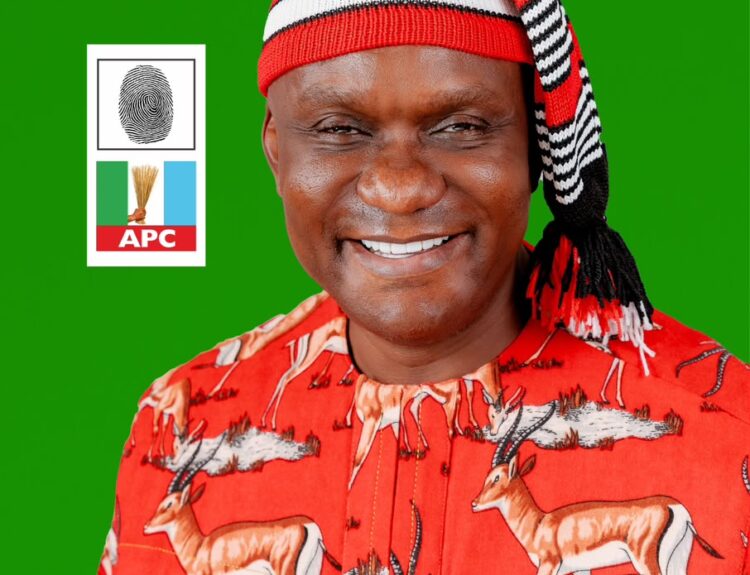
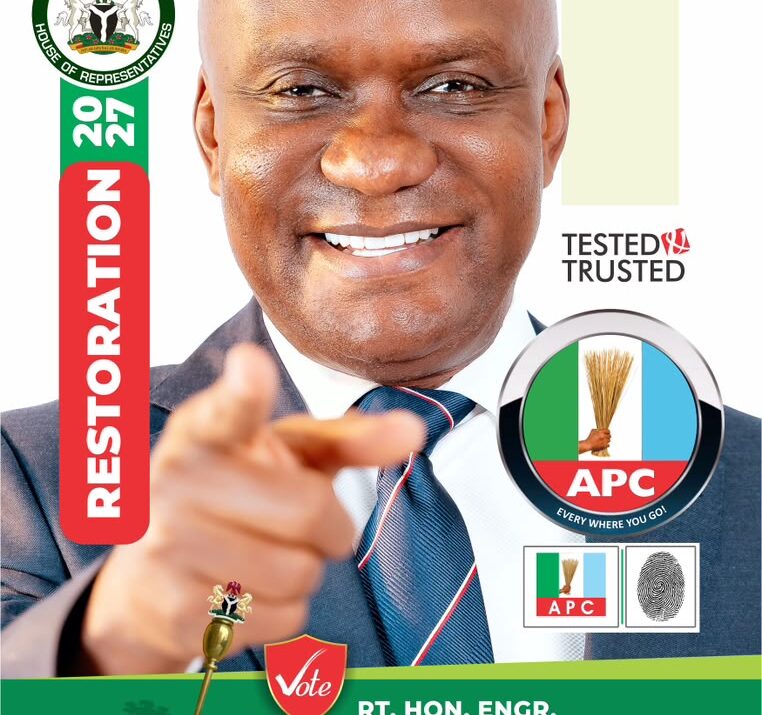
For many constituents, the political conversation has increasingly focused on assessing the quality of representation over the past three and a half years and considering what they want from their next representative. In that process, a strong desire for improved representation has emerged, with Rt. Hon. Chinedum Enyinnaya Orji presented by his supporters as the candidate capable of providing that alternative.
The audit of representation: Assessing the record since 1999
The people have every right to assess the performance of their representatives. Since 1999, Ikwuano/Umuahia has produced legislators with different records and approaches to representation.
Today, constituents are asking important questions: What legislative initiatives have addressed the economic interests of the constituency? What motions have focused on MOUAU funding, the Umuahia-Ikwuano-Ikot Ekpene road, youth employment and other pressing concerns? What federal projects and interventions have been secured?
These questions form part of the broader debate about whether the constituency is receiving the level of representation its people expect and deserve.
Moving beyond a story of unmet expectations
A constituency with a proud history and significant economic, educational and administrative importance should aspire to effective representation.
Ikwuano/Umuahia is home to traders, farmers, civil servants, academics, professionals and young people whose aspirations extend beyond basic infrastructure challenges. Many constituents want stronger advocacy for roads, education, employment, investment and federal presence.
The desire is therefore not simply for representation, but for representation that commands respect and delivers tangible results.
What is the people’s will to resist?
The people’s will to resist is not about violence. It is about democratic participation and the freedom of citizens to demand better representation.
It means citizens saying that their votes should reflect their assessment of performance, their expectations for the future and their preferred candidate.
For Ikwuano/Umuahia, it represents a determination to participate actively in the democratic process and to resist political practices that constituents believe do not serve their interests.
The case being made for Orji
Supporters of Rt. Hon. Chinedum Enyinnaya Orji argue that his political experience, legislative background and familiarity with government institutions position him to represent the constituency effectively.
Across communities including Oboro, Ibeku, Ohuhu, Olokoro and parts of Ikwuano, his supporters are seeking to build support around the message of stronger and more visible representation.
The 2027 contest will ultimately provide voters with an opportunity to assess the candidates, their records, their programmes and their capacity to represent the constituency.
Resistance against political pressure: The people and their mandate
The democratic process belongs to the people. Constituents should be free to make their choices without intimidation, coercion or undue pressure.
The central argument of this campaign is that the mandate of Ikwuano/Umuahia should be determined by voters and not by political calculations alone.
Citizens have the right to listen to competing arguments, evaluate candidates and decide which vision best reflects their aspirations.
Replacing unmet expectations with quality representation
The central argument for change is straightforward: constituents want representation that produces measurable results.
Such representation can be assessed through legislative initiatives, motions, oversight activities, constituency engagement, advocacy, negotiation, federal connections and attention to local development priorities.
By contrast, constituents may also assess the effectiveness of representation through the visibility of projects, responsiveness to community concerns and the ability of their representative to attract meaningful federal attention.
Supporters of Orji believe his experience can contribute to achieving these objectives.
The case for Orji: Experience and representation
Why do his supporters regard Orji as a vehicle for this change?
They point to his previous legislative experience, his tenure as Speaker of the 7th Abia State House of Assembly and his familiarity with political and governmental processes.
As Speaker, he presided over the House during a significant period of Abia’s political development. His supporters contend that this experience demonstrates his ability to build consensus, work with different stakeholders and navigate legislative responsibilities.
If elected to the House of Representatives, he would therefore bring prior legislative experience rather than beginning his political career at the federal level.
From unmet expectations to legislative impact
What Ikwuano/Umuahia needs is representation that translates community aspirations into legislative and executive engagement.
Rt. Hon. Orji’s supporters believe that his experience can help strengthen advocacy for the constituency, promote dialogue with federal agencies and advance issues affecting infrastructure, education, employment and economic development.
The objective should be a representative who remains accessible to constituents while effectively engaging the National Assembly and relevant federal institutions.
Emancipation from unmet expectations to renewed ambition
Emancipation, in this context, means the freedom of constituents to demand a new direction.
It means moving the conversation from persistent infrastructure challenges to concrete development initiatives; from questions about visibility to measurable legislative engagement; and from unmet expectations to renewed confidence in the future.
Supporters of Orji believe that he can contribute to that transition.
Launching to greatness: The capital must be capital in deed
Ikwuano/Umuahia occupies an important position as the political and administrative heart of Abia State. Its status should be reflected in infrastructure, investment, education and federal presence.
Key priorities could include federal road rehabilitation, stronger support for MOUAU, industrial and economic development around Umuahia, youth technology initiatives and improved access to federal institutions and programmes.
Supporters of Orji argue that his experience and existing relationships within political circles could help advance these priorities.
The pragmatism of resistance
The call for change should be understood as a democratic and pragmatic argument rather than a personal attack on any individual.
The question before constituents is what kind of representation will best address the challenges facing the constituency over the next four years.
Issues such as youth employment, infrastructure, education, economic opportunity and federal investment require sustained attention. The 2027 election provides voters with an opportunity to consider these issues and choose the candidate whose plans and experience they find most compelling.
The mandate and the road to 2027
Every political movement eventually requires a clear vision and a candidate around whom supporters can organize.
For the Mandate 27 Group, Rt. Hon. Chinedum Enyinnaya Orji represents that vision for Ikwuano/Umuahia.
The group is presenting his candidacy as a call for:
- stronger legislative representation;
- greater federal engagement;
- improved infrastructure advocacy;
- increased attention to youth and economic opportunities;
- effective constituency engagement; and
- a renewed focus on the development aspirations of Ikwuano/Umuahia.
Ultimately, the decision belongs to the people of Ikwuano/Umuahia.
The 2027 election will give constituents the opportunity to assess the candidates, examine their records and programmes, and determine the direction they want for their constituency.
For Mandate 27 Group, that direction is Rt. Hon. Chinedum Enyinnaya Orji to the Green Chamber in 2027.