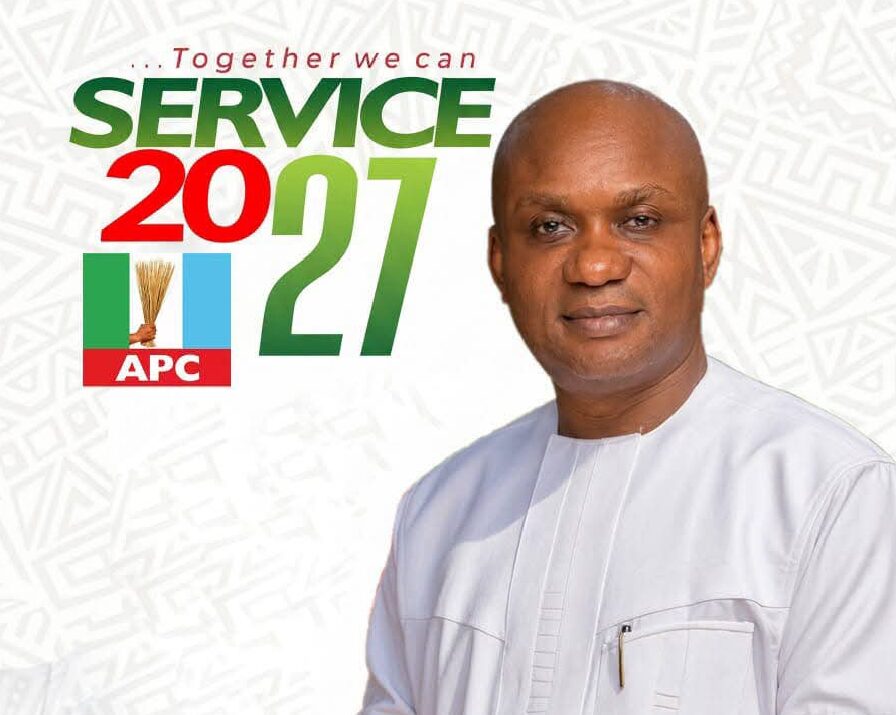

Engr. Chinedum Enyinnaya Orji
Leadership is not defined by the position he occupies, the privileges that come with public office, or the luxury one enjoys.
True leadership is reflected in one’s relationship with the people, the ability to remain accessible, and the willingness to serve humanity regardless of status.
This is a story often associated with Engr. Chinedum Enyinnaya Orji, IKUKU.
Even as the son of a sitting governor, Ikuku maintained a close relationship with his people.
Rather than distancing himself from the grassroots or embracing a lifestyle that separated him from ordinary citizens, he continued to identify with his community. He participated in local meetings, attended community celebrations and shared in the joys and challenges of his people.
During traditional festivals, particularly Iri Ji (New Yam Festival), Ikuku was not merely a distinguished guest seated among dignitaries. He joined the celebrants, participated in the cultural festivities, chanted traditional songs and even played the traditional drums himself. These are gestures that speak to the importance he attaches to community life, cultural identity and the preservation of our heritage.
His involvement with the grassroots did not end with his background. Even when he became a member of the House of Assembly and subsequently Speaker, he continued to maintain a down-to-earth relationship with ordinary people. He remained accessible and extended his goodwill beyond the immediate constituency he represented.
For Ikuku, public office was not an end in itself. Outside the corridors of power, he continued to identify with humanitarian causes through his Direct Touch Initiative, extending assistance to people and supporting efforts aimed at improving lives.
As conversations surrounding the 2027 political season gather momentum, the public discussion about leadership, representation and service in Ikwuano and Umuahia deserves to include a careful examination of the records, experiences and contributions of those who have occupied positions of responsibility.
The story of Engr. Chinedum Enyinnaya Orji (IKUKU) offers an opportunity to reflect on an important question: What should the people expect from leadership, and how should the relationship between elected representatives and the grassroots be sustained?
Ultimately, leadership should be measured not merely by titles held or offices occupied, but also by the quality of service rendered, the people reached and the enduring impact of one’s contributions.
IKUKU: A NAME ASSOCIATED WITH GRASSROOTS CONNECTION, COMMUNITY PARTICIPATION AND HUMANITARIAN SERVICE.
The conversation about 2027 should be a conversation about leadership, accountability, experience and the future of Ikwuano and Umuahia.