
“A good representative does not go to Abuja just to occupy a seat or make empty promises; he goes there to ensure that the voices, interests and aspirations of his people are heard, respected and translated into qualitative representation.”
Legislative representation is a responsibility that demands experience, competence, vision and a genuine resolve to public service. It goes beyond rethorics, participating in debates or occupying a seat in the National Assembly. Fundamentally, the quality of representation is measured by the laws enacted, policies influenced, opportunities attracted and tangible improvements delivered to the lives of the people.
For the people of Ikwuano/Umuahia Federal Constituency, the conversation about effective representation should therefore be based on experience, verifiable contributions and the capacity to translate political opportunities into meaningful development.
It is against this background that the legislative journey of Rt. Hon. Chinedum Enyinnaya Orji deserves attention.
His political and legislative experience, particularly his service in the Abia State House of Assembly, provides an important basis for assessing his approach to governance, grassroots development, legislative advocacy and people-oriented empowerment.
One of the most enduring responsibilities of a legislator is the ability to use the instrument of lawmaking to address social inequalities, protect fundamental rights and create a more inclusive society.
During his tenure in the Abia State House of Assembly, Chinedum Enyinnaya Orji sponsored a bill aimed at securing women’s right to inherit property in Abia State. This was a significant legislative intervention directed at strengthening women’s property rights and addressing discriminatory practices.
He also co-sponsored the Gender Rights Bill, which was subsequently passed into law.
These contributions underscore an important dimension of legislative representation: the ability to influence laws that protect citizens, advance social justice and create opportunities for groups whose rights and interests deserve stronger protection.
Indeed, effective representation must not only respond to the immediate needs of constituents but also help establish a legal and institutional framework that safeguards their future.
Beyond the legislative chamber, the impact of representation must be visible in the communities.
During his time in the Abia State House of Assembly, Chinedum Enyinnaya Orji facilitated several constituency development interventions across the areas he represented, with particular attention to infrastructure and essential social amenities.
His constituency interventions included the construction of mini-stadiums in different communities to encourage grassroots sports development, identify emerging talents and provide young people with opportunities to pursue their sporting ambitions.
Other areas of intervention included school infrastructure, the provision of potable water, rural electrification and road development.
He also attracted road projects to Umuahia Central State Constituency, recognizing that accessible road networks are essential to commercial activities, agricultural productivity, transportation and the overall economic advancement of rural and urban communities.
These interventions reflect the importance of a representative who understands that development must extend beyond political promises and find expression in projects that address the everyday needs of the people.
A particularly important aspect of Chinedum Enyinnaya Orji’s constituency engagement was his Direct Touch empowerment initiative.
The initiative was designed to bring economic empowerment closer to ordinary people, particularly market women and young people, through a more direct and accessible approach.
Rather than relying entirely on the conventional practice of compiling lengthy lists of prospective beneficiaries and passing them through several intermediaries, the Direct Touch model emphasized direct engagement with intended beneficiaries.
Its underlying philosophy was simple: One Person, One Empowerment.
The objective was to reduce unnecessary barriers, broaden access to empowerment opportunities and ensure that support reached the people for whom it was intended.
This approach speaks to an important principle of public service: empowerment programmes should not merely exist on paper; they should create practical opportunities that improve livelihoods and strengthen the economic capacity of beneficiaries.
As the political conversation ahead of the 2027 general elections gathers momentum, the people of Ikwuano/Umuahia Federal Constituency must carefully consider the experience, capacity and vision required of their next representative at the National Assembly.
The responsibilities of a member of the House of Representatives are enormous. They include lawmaking, oversight of government institutions, effective constituency engagement, budgetary advocacy and attracting federal interventions that can accelerate development.
The constituency needs stronger educational opportunities, improved rural road networks, expanded electricity infrastructure, access to clean water, youth employment and skills development, women’s economic empowerment and greater access to Federal Government grants and intervention programmes for small businesses.
It also needs a representative who can effectively articulate the interests of farmers, traders, entrepreneurs, professionals, young people and other groups whose economic activities contribute to the growth of the constituency.
These responsibilities require more than political popularity. They demand legislative understanding, institutional experience, strategic engagement and the ability to build productive relationships with relevant government agencies and stakeholders.
Chinedum Enyinnaya Orji’s experience in the Abia State House of Assembly offers a foundation upon which his proposed federal legislative responsibilities can be assessed. His experience gained at the state level can be extended to the federal stage in pursuit of greater opportunities and development for the constituency.
The choice before Ikwuano/Umuahia is an opportunity to reflect on the kind of representation that can best advance the collective interests of the constituency.
The future requires a representative who appreciates the challenges facing the people, understands the legislative process and possesses the commitment to pursue policies, projects and programmes that will improve living conditions.
It requires result-oriented representation that gives young people hope, supports women economically, strengthens rural communities, promotes education and creates an enabling environment for businesses and agricultural enterprises to thrive.
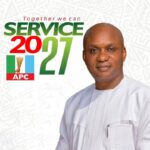
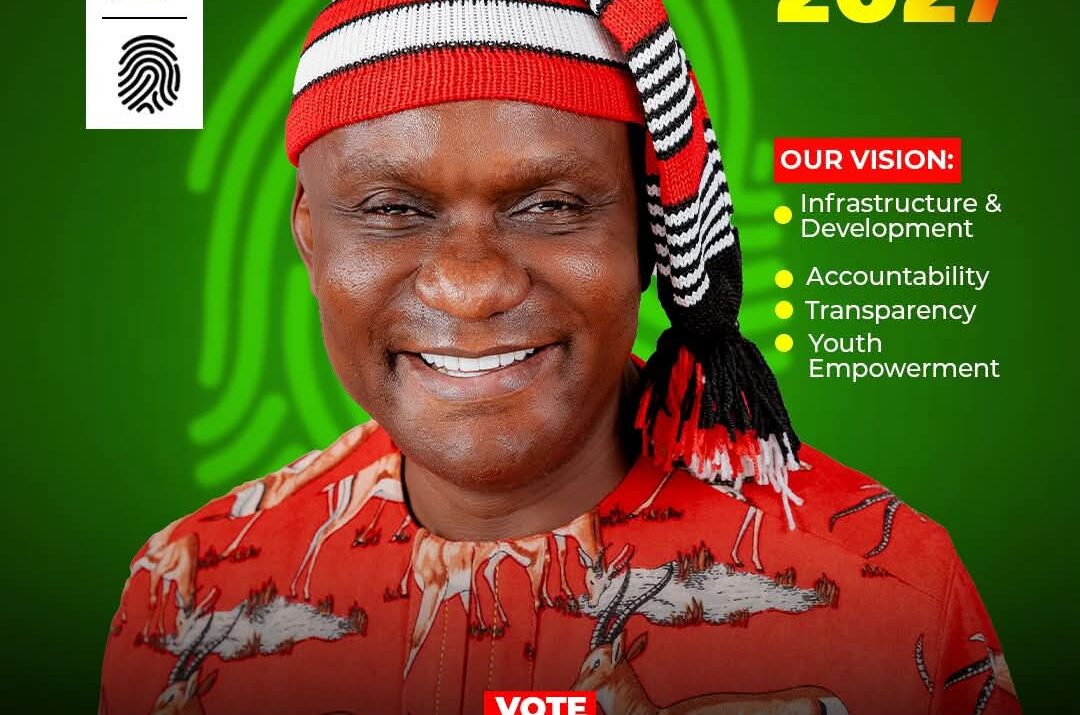
Rt. Hon. Chinedum Enyinnaya Orji, the All Progressives Congress (APC) candidate for Ikwuano/Umuahia Federal Constituency, is presenting his previous legislative experience and constituency engagements as part of the case for his election to the House of Representatives.
His ambition is not simply a transition from Umuahia to Abuja. It is an opportunity to extend legislative experience, grassroots engagement and a development-oriented approach to a higher level of representation.
Vote for competency.
Vote for transparency.
Vote for APC.
Vote Engr. Chinedum Enyinnaya Orji.
Ikuku Media